FG Releases Guidelines For Implementation Of Zero Duty Rate On Some Basic Food Items

FG Releases Guidelines For Implementation Of Zero Duty Rate On Some Basic Food Items

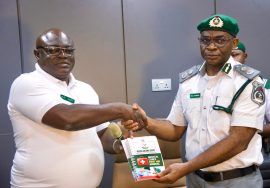
Comptroller General of Customs,Bashir Adewale Adeniyi MFR
By Frank Odinukaeze
In a deliberate show of empathy and deep sense of responsibility occasioned by the high prices of commodities which has brought hardship on Nigerians,the President Bola Ahmed Tinubu led Government through the Honourable Minister of Finance ,Olawale Edun has rolled out measures and guidelines towards the implementation of Zero percent Duty Rate (0%) and Value Added Tax (VAT) exemption on selected basic food items.
According to a statement today by the NPRO CSC Abdullahi Maiwada, the policy became effective from 15th July 2024 and will remain in force until 31st December 2024.
The statement noted that the measure aims to mitigate the high cost of food items in the Nigerian market by making essential commodities more affordable for citizens.
The initiative, according to the statement, is part of the government’s broader efforts to address food security challenges and ensure that basic foodstuffs are accessible to all Nigerians. The statement affirmed that, “It important to emphasise that while this temporary measure is intended to address current hardships, it does not undermine the long-term strategies put in place to safeguard local Farmers and protect Manufacturers”
It also added that , “It is pertinent to note that the implementation of this policy will focus on addressing the national supply gap. To participate in the zero-duty importation of basic food items, a company must be incorporated in Nigeria and have been operational for at least five years. It must have filed annual returns and financial statements and paid taxes and statutory payroll obligations for the past five years. Companies importing husked brown rice, grain sorghum, or millet need to own a milling plant with a capacity of at least 100 tons per day, operated for at least four years, and have enough farmland for cultivation.
“Those importing maize, wheat, or beans must be agricultural companies with sufficient farmland or feed mills/agro-processing companies with an out-grower network for cultivation.
” The basic food items eligible for the zero percent duty rate are as follows:
S/N Item Description ECOWAS CET H.S. Code Previous Duty Rate + Levy New Duty Rate
I. Husked Brown Rice 1006.20.00.00 30% 0%
II. Grain Sorghum – Other 1007.90.00.00 5% 0%
III. Millet – Other 1008.29.00.00 5% 0%
IV. Maize – Other 1005.90.00.00 5% 0%
V. Wheat – Other 1001.19.00.00 20% 0%
VI. Beans 0713.31.90.00 20% 0%
” The Federal Ministry of Finance will periodically provide the NCS with a list of importers and their approved quotas to facilitate the importation of these basic food items within the framework of this policy. The policy requires that at least 75% of imported items be sold through recognised commodities exchanges, with all transactions and storage recorded. Companies must keep comprehensive records of all related activities, which the government can request for compliance verification. If a company fails to meet its obligations under the import authorisation, it will lose all waivers and must pay the applicable VAT, levies, and import duties. This penalty also applies if the company exports the imported items in their original or processed form outside Nigeria.
“The Nigeria Customs Service, under the leadership of Comptroller General of Customs, Bashir Adewale Adeniyi MFR, remains committed to supporting government policies to enhance food security and promote economic stability. “The Service urges all stakeholders to cooperate fully in implementing this initiative for the benefit of all Nigerians” the statement concluded.